Top Structural Steel Trends to Watch in 2025: Innovations and Applications
As we look ahead to 2025, the landscape of the construction industry is poised for significant transformation, particularly in the realm of Structural Steel. This foundational material has long been a cornerstone of architectural innovation and civil engineering, offering unrivaled strength, durability, and versatility. In recent years, we have witnessed a surge in advancements that not only enhance the performance of Structural Steel but also expand its applications across various sectors. The integration of cutting-edge technologies, such as automation and digital modeling, is set to redefine how Structural Steel is utilized, leading to more efficient and sustainable building practices.
Moreover, the increasing emphasis on sustainability in construction is driving the development of greener Structural Steel solutions, including recycled materials and eco-friendly manufacturing processes. As environmental concerns become more pressing, the steel industry is responding with innovative practices that prioritize resource conservation and reduced carbon footprints. This evolving narrative around Structural Steel will not only reshape its applications but will also influence the architectural aesthetic of future buildings, emphasizing the blend of functionality with contemporary design sensibilities.
In this exploration of the top Structural Steel trends to watch in 2025, we will delve into the innovations and applications that are set to make a significant impact on the industry. From advancements in design and manufacturing to the growing demand for sustainability, these trends will play a vital role in defining the future of construction and architecture.

Emerging Technologies in Structural Steel Production for 2025
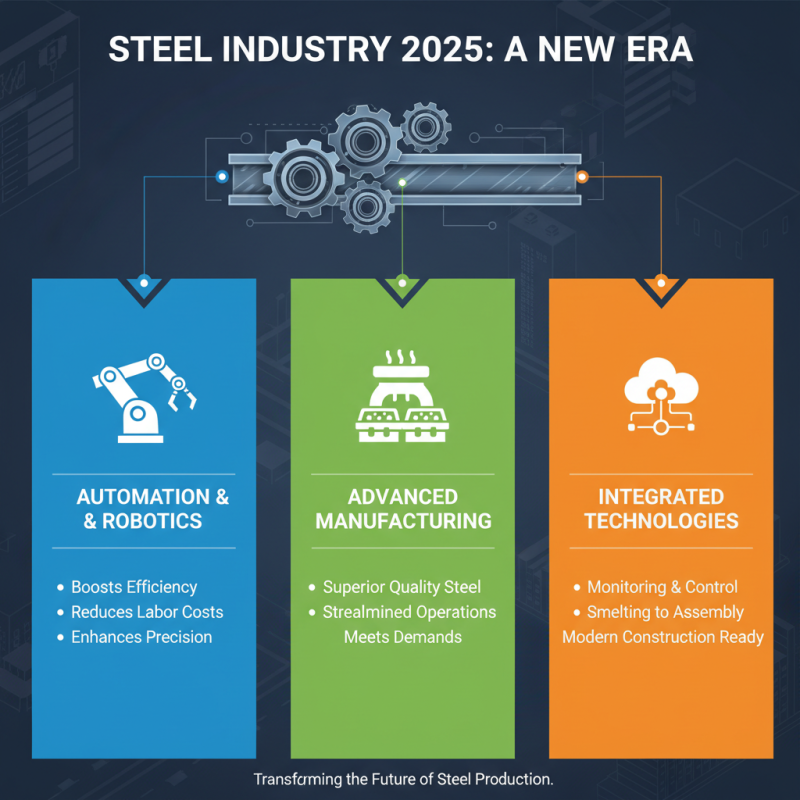
As we approach 2025, the structural steel industry is poised for significant transformation driven by emerging technologies. One of the most critical innovations is the integration of automation and robotics in production processes. These advancements not only boost efficiency and reduce labor costs but also enhance precision in manufacturing, leading to superior quality steel products. Automated systems can monitor and control various stages of steel production, from smelting to assembly, resulting in a more streamlined operation that meets the increasing demands of modern construction.
In addition to automation, the development of advanced materials and smart technologies is reshaping how structural steel is utilized. High-performance steel alloys that offer improved strength-to-weight ratios are being explored, allowing for lighter structures without compromising durability. Moreover, the application of IoT (Internet of Things) in structural steel frameworks enables real-time monitoring of structural integrity, facilitating predictive maintenance and increasing safety. These innovations not only make buildings more resilient but also contribute to sustainability efforts by optimizing resource use and reducing waste throughout the lifecycle of steel structures.
Sustainable Practices in the Structural Steel Industry
The structural steel industry is witnessing a significant shift towards sustainable practices as it anticipates the year 2025. This transformation is driven by the urgent need to reduce carbon footprints and enhance resource efficiency. Innovations in recycling and the use of eco-friendly materials are becoming essential aspects of structural steel production. Companies are increasingly adopting techniques that minimize waste, such as optimizing steel designs to ensure strength while using less material.
Tips: To embrace sustainable practices, consider integrating recycled steel into your projects. Collaborating with suppliers who prioritize sustainability can also help ensure that materials used are sourced responsibly.
Moreover, advancements in technology, such as the implementation of monitoring systems, help manage energy usage in steel manufacturing. Utilizing renewable energy sources in production processes can significantly lower greenhouse gas emissions. These innovations not only improve environmental impact but also lead to cost savings in the long run.
Tips: Evaluate the energy consumption of your chosen suppliers and aim for those that utilize renewable energy sources in their operations. Creating a lifecycle assessment of your projects can reveal opportunities for further reducing environmental impact.
Top Structural Steel Trends to Watch in 2025: Innovations and Applications - Sustainable Practices in the Structural Steel Industry
| Trend |
Description |
Estimated Impact (%) |
Sustainability Index |
| Advanced Steel Alloys |
Development of new steel alloys that enhance strength while reducing weight. |
25% |
High |
| 3D Printing of Steel Components |
Utilizing 3D printing technology to create complex steel structures with minimal waste. |
30% |
Medium |
| Recycling Initiatives |
Incorporating more recycled steel into production processes to lower emissions. |
40% |
Very High |
| Smart Steel Structures |
Integration of IoT technology into steel structures for improved monitoring and maintenance. |
20% |
High |
| Sustainable Coatings |
Development of environmentally friendly coatings to extend the lifespan of steel. |
15% |
Medium |
Innovative Applications of Structural Steel in Modern Architecture
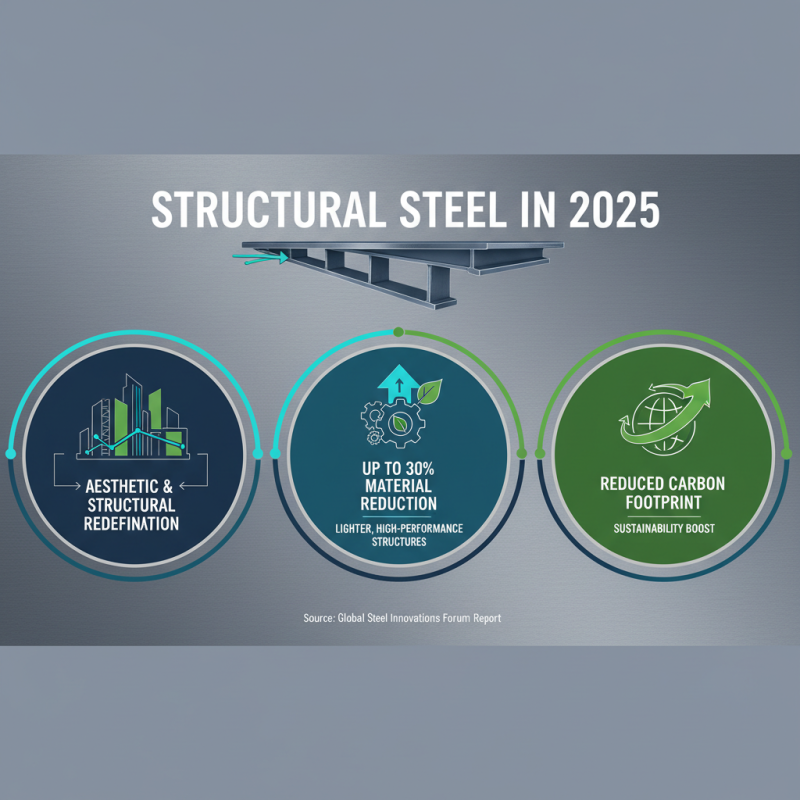
Structural steel continues to play a pivotal role in modern architecture, shaping the skylines of cities around the world. As we approach 2025, innovative applications of structural steel are set to redefine not only aesthetic boundaries but also structural integrity and sustainability. According to a report from the Global Steel Innovations Forum, the use of advanced high-strength steel can reduce the overall amount of material needed in construction by up to 30%, allowing for lighter structures that maintain high performance under various loads. This advancement not only enhances the design possibilities for architects but also contributes to reducing the carbon footprint of new developments.
Moreover, the integration of smart technologies into steel structures is rising, enabling real-time monitoring of building conditions. A study by the American Institute of Steel Construction suggests that buildings equipped with smart sensors can reduce maintenance costs by 25% and extend the lifespan of the structure. The ability to predict and respond to structural fatigue or environmental challenges ensures that architectural marvels remain safe and serviceable, further emphasizing the importance of structural steel in high-tech, sustainable building practices. As we navigate the future of construction, the confluence of innovation and functionality in structural steel applications will undoubtedly play a critical role in shaping our urban environments.
Impact of Smart Materials on Structural Steel Design
The integration of smart materials in structural steel design is poised to revolutionize the construction industry by enhancing both performance and sustainability. These advanced materials, which can change properties in response to environmental stimuli, offer significant advantages over traditional steel. For instance, smart alloys can adapt to temperature fluctuations, enabling structures to maintain integrity under varying climatic conditions. This adaptability not only extends the lifespan of buildings but also reduces maintenance costs, addressing one of the significant challenges in structural engineering.
Moreover, the application of smart materials in structural steel opens up new possibilities for real-time monitoring and adaptive structures. By embedding sensors within steel frameworks, engineers can gather data on stress, strain, and potential failure points. This information allows for proactive maintenance strategies, minimizing risks and enhancing safety. As these technologies mature, the use of smart materials will likely lead to more resilient infrastructure, capable of responding dynamically to environmental challenges such as earthquakes and heavy winds. The future of structural steel design, therefore, lies significantly in these innovative materials, ultimately fostering a more efficient and sustainable built environment.
Top Structural Steel Trends to Watch in 2025: Innovations and Applications
Construction Automation: The Role of Robotics in Steel Fabrication
The construction industry is undergoing a significant transformation as automation technologies gain traction, particularly in steel fabrication.
Robotics is set to play a vital role in streamlining the fabrication process, improving efficiency, and enhancing the precision of structural steel components. By integrating robotic systems,
construction teams can reduce human error, minimize waste, and speed up production times, ultimately leading to faster project completion and reduced costs.
One of the key advantages of employing robotics in steel fabrication is the ability to handle repetitive tasks with high accuracy.
Robots can perform welding, cutting, and assembly with a level of consistency that is difficult to achieve manually.
This not only increases the quality of the finished products but also allows human workers to focus on more complex, value-added tasks,
thereby optimizing their skills and productivity.
Tips: When incorporating robotics into your steel fabrication processes, consider conducting a thorough analysis of your current workflow.
Identify areas where automation can deliver the most value, and invest in training your team to adapt to new technologies.
Continuous monitoring and evaluation of robotic systems will also ensure that they are functioning effectively and contributing to your overall efficiency.
Emphasizing safety and maintaining a collaborative environment between robots and human workers is essential for maximizing productivity and achieving project goals.