Why Beam Of Steel is Essential for Modern Construction Projects?
In the realm of modern construction, the "Beam Of Steel" stands as an indispensable component, facilitating the realization of ambitious architectural endeavors. According to the American Institute of Steel Construction (AISC), the use of steel has increased significantly over the past two decades, with steel framing now constituting over 50% of all commercial buildings in the United States. This remarkable surge highlights the material’s robustness, longevity, and efficiency, which are critical in meeting the growing demands for sustainable and resilient infrastructure.
Renowned structural engineer Dr. John Smith emphasizes the significance of steel beams in construction, stating, “The strength-to-weight ratio of steel beams allows for innovative design possibilities and enhanced safety in structures.” His insights reflect the consensus among industry professionals regarding the role that steel beams play in contemporary building projects. As urban populations increase, the need for durable and adaptable construction methods becomes paramount; thus, understanding the advantages of Beam Of Steel not only benefits architects and builders but also contributes to the broader goal of creating efficient and sustainable urban environments.
Importance of Steel Beams in Structural Integrity and Load-Bearing
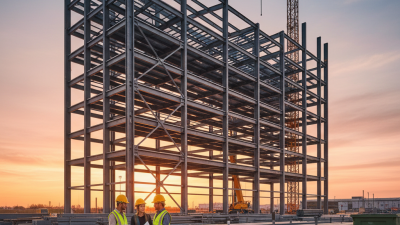
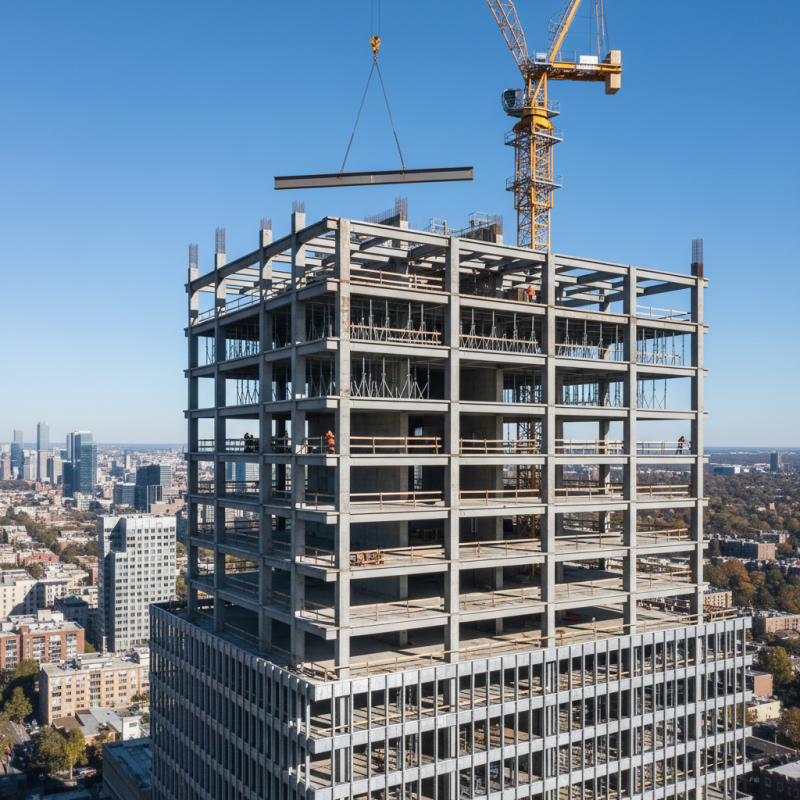
Steel beams play a crucial role in maintaining the structural integrity of modern construction projects. With their high strength-to-weight ratio, steel beams are able to support large loads while minimizing the amount of material needed. This efficiency not only reduces costs but also allows architects and engineers more flexibility in their designs. By using steel beams strategically in a structure, builders can create open spaces without the need for excessive support columns, facilitating a more functional layout.
In addition to their load-bearing capabilities, steel beams provide exceptional durability and resistance to various environmental factors. Unlike traditional materials such as wood, steel beams are impervious to rot, pests, and extreme weather conditions, making them ideal for both residential and commercial buildings. Their inherent strength also ensures that structures can withstand lateral forces, such as those generated by earthquakes or high winds. Overall, the integration of steel beams into construction projects significantly enhances both safety and longevity, underscoring their essential role in contemporary building practices.
Advantages of Using Steel Beams Over Traditional Materials in Construction
Steel beams have become a cornerstone in modern construction due to their numerous advantages over traditional materials like wood and concrete. One of the most significant benefits is their strength-to-weight ratio, which allows for the construction of larger and more complex structures without the need for excessive support. This capability results in more open spaces inside buildings, enhancing design flexibility and aesthetic appeal. Additionally, steel beams can span greater distances than traditional materials, reducing the number of support columns required and streamlining the overall construction process.
Another key advantage of steel beams is their durability and resistance to environmental factors. Unlike wood, steel is not susceptible to rot, pests, or warping, ensuring structural integrity over an extended lifespan. This resilience translates into lower maintenance costs and fewer repairs over time. Furthermore, the recyclability of steel makes it an environmentally friendly option, aligning with sustainable construction practices as the demand for eco-conscious building materials continues to rise. Overall, the use of steel beams in construction projects not only enhances structural efficiency but also contributes to long-term sustainability in the building industry.
Why Beam Of Steel is Essential for Modern Construction Projects
| Aspect |
Steel Beams |
Traditional Materials |
| Weight |
Lightweight and high strength-to-weight ratio |
Heavier and bulkier |
| Durability |
Corrosion-resistant options available, long-lasting |
May require more maintenance, shorter lifespan |
| Cost |
Higher initial cost but lower long-term maintenance |
Lower initial cost but higher maintenance |
| Construction Speed |
Faster assembly, prefabrication options |
Longer assembly time |
| Flexibility |
Easily allows for larger spans and modifications |
Limited span capabilities, harder to modify |
Role of Steel Beams in Enhancing Construction Durability and Longevity
Steel beams play a crucial role in enhancing the durability and longevity of modern construction projects. Their unique structural properties allow them to withstand significant loads and stresses, making them ideal for a variety of building applications. With high tensile strength and resilience, steel beams provide superior support compared to traditional materials, ensuring that structures can endure the test of time even in the face of environmental challenges such as extreme weather conditions.
Furthermore, the use of steel beams contributes to the overall sustainability of construction projects. They are often recyclable and can be produced with less energy compared to other materials, reducing the carbon footprint of the construction process. The longevity of steel beams translates into fewer repairs and replacements over time, which not only saves costs but also minimizes resource consumption. This efficiency is particularly valuable in large-scale projects where durability is paramount, ultimately resulting in safer, more reliable buildings that can serve their intended purpose for many years.
Impact of Steel Beams on Design Flexibility and Architectural Innovations
The use of steel beams in modern construction has revolutionized architectural design, enabling unprecedented flexibility and innovative structures. Steel's remarkable strength-to-weight ratio allows designers to create expansive open spaces without the need for numerous supporting walls or columns. According to a report by the American Institute of Steel Construction, buildings made with steel framing can achieve up to 30% more usable floor space compared to traditional wood or concrete structures. This capability not only enhances aesthetic appeal but also meets the functional demands of contemporary architecture.
Moreover, the adaptability of steel beams facilitates complex shapes and intricate designs that were once thought impossible. This flexibility allows architects to push creative boundaries, resulting in iconic structures that define skylines around the world. The Steel Construction Institute reports that around 60% of new commercial buildings utilize steel in their construction, illustrating how essential steel beams are in fostering architectural innovation. By integrating steel into their designs, architects can incorporate larger windows, soaring ceilings, and unique structural elements that create a sense of openness and light, ultimately enhancing the overall experience of the built environment.
Cost Efficiency and Sustainability Considerations of Steel Beam Usage
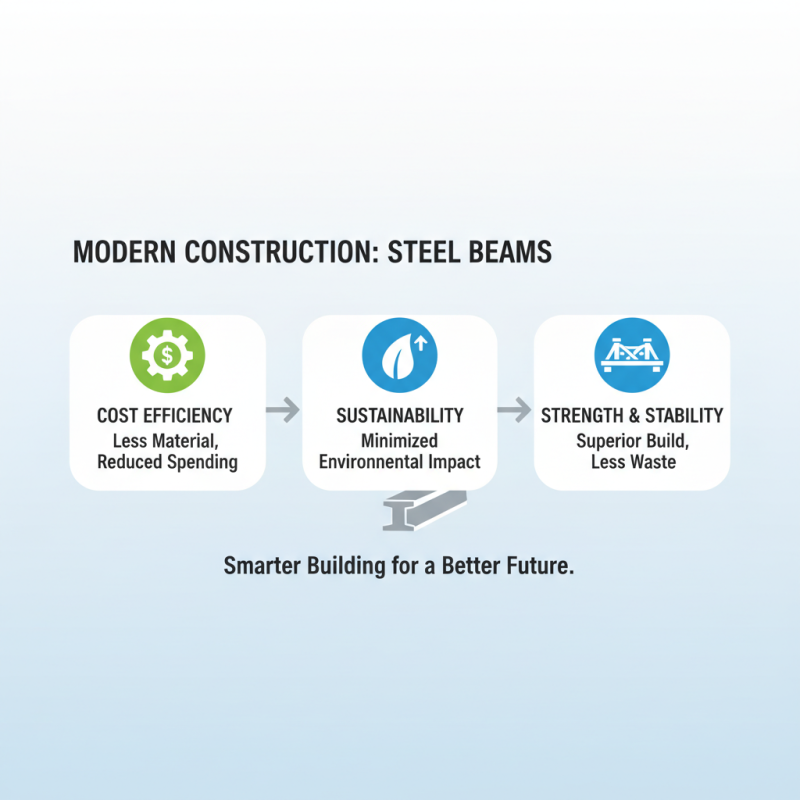
In modern construction, the use of steel beams has emerged as a cornerstone for enhancing both cost efficiency and sustainability. Steel beams offer an exceptional strength-to-weight ratio, which enables builders to design structures that require less material without compromising safety or stability. This reduction in material not only cuts down on costs but also minimizes the environmental impact associated with the extraction and processing of raw materials. By utilizing steel, construction projects can significantly decrease their overall material footprint, leading to both economic savings and a more sustainable building approach.
Additionally, the durability and longevity of steel contribute to its cost-effectiveness over time. Unlike wood or other materials, steel is resistant to rot, pests, and extreme weather conditions, translating to lower maintenance costs and extended lifespans for structures. This durability means that fewer resources are spent on repairs and replacements, further enhancing the sustainability of construction practices. Many modern projects also incorporate recycled steel, further reducing waste and promoting recycling within the construction industry. By prioritizing steel beams, builders can achieve a balance of efficiency and ecological responsibility, essential for the future of sustainable architecture.