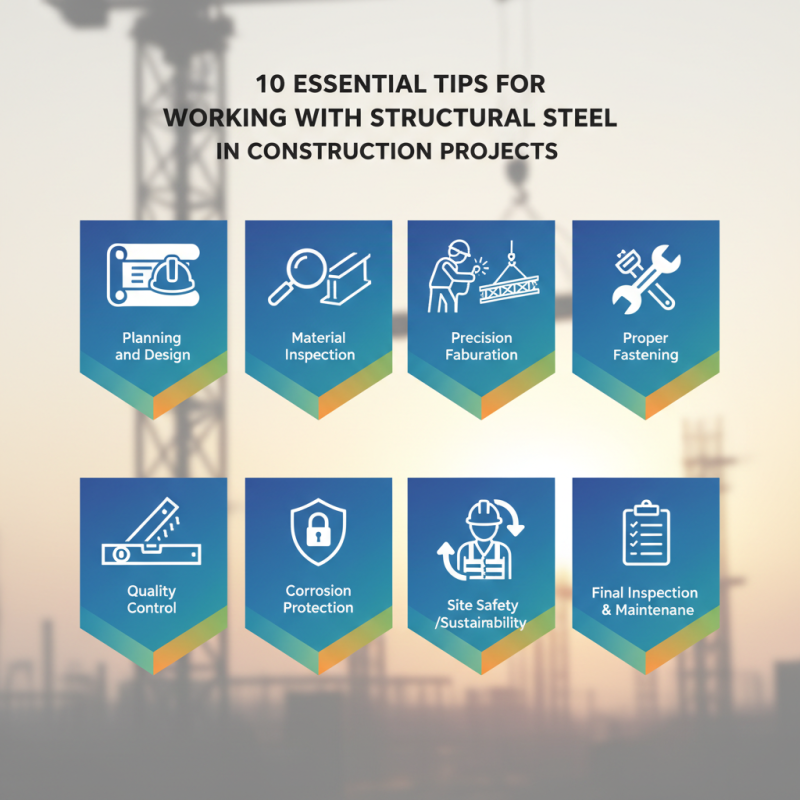
10 Essential Tips for Working with Structural Steel in Construction Projects
Working with structural steel is a fundamental aspect of construction projects that demands careful consideration and expert knowledge. This versatile and robust material serves as the backbone of modern architecture, enabling the creation of enduring structures that are both functional and aesthetically pleasing. Whether you are a seasoned professional or a newcomer to the construction industry, understanding the intricacies of working with structural steel is crucial for achieving project success and ensuring safety on-site.
This article presents ten essential tips for working with structural steel, focusing on best practices that enhance efficiency and quality in construction projects. From planning and design stages to execution and inspection, each phase requires a thorough grasp of structural steel properties and handling techniques. By adhering to these tips, construction teams can minimize risks, reduce waste, and streamline workflows while maintaining compliance with safety regulations. Embracing these guidelines not only optimizes the use of structural steel but also contributes to the overall sustainability and longevity of construction endeavors.
Understanding the Structural Properties of Steel in Construction Projects
Structural steel is a critical material in construction projects, known for its strength, durability, and versatility. Understanding the structural properties of steel is essential for engineers and builders to ensure safety and efficiency. Steel’s high tensile strength allows for larger spans and lighter designs, ultimately optimizing materials and costs. According to a report by the American Institute of Steel Construction, steel's strength-to-weight ratio is notably superior to that of traditional materials like wood and concrete, allowing structures to endure greater loads with less material.
When working with structural steel, one crucial tip is to prioritize proper welding techniques. Poor weld quality can compromise the integrity of the entire structure. Adhering to specified welding practices ensures optimal load distribution and resistance to environmental factors. Additionally, it is vital to regularly assess the corrosion resistance of steel. Implementing protective coatings can significantly prolong the life of steel components, which is crucial in environments prone to moisture and corrosion.
Another essential tip is to conduct thorough inspections of all steel elements before installation. A study from the Construction Industry Institute indicates that early detection of faults can reduce rework and increase project efficiency by up to 30%. Utilizing advanced technologies such as 3D modeling can aid in visualizing structural complexities and ensuring that steel components fit perfectly upon delivery. Through meticulous attention to these aspects, construction professionals can leverage the benefits of structural steel, culminating in safer and more innovative designs.
Techniques for Effective Fabrication and Welding of Structural Steel
Effective fabrication and welding of structural steel are crucial for ensuring the strength and durability of construction projects. One essential technique is proper surface preparation. Before any welding begins, the steel surfaces must be cleaned thoroughly to remove any rust, oil, or dirt that could compromise the integrity of the weld. This preparation not only enhances the bond but also minimizes imperfections, helping to achieve a cleaner finish and reducing the likelihood of failures under stress.
Another important aspect of working with structural steel is selecting the right welding method. Among the various techniques available, MIG (Metal Inert Gas) and TIG (Tungsten Inert Gas) welding are widely used for structural applications due to their ability to create strong, high-quality welds. Each method has its advantages depending on the thickness and type of steel being used. Moreover, understanding the properties of the filler materials and their compatibility with the base metal is vital for achieving optimal results. Proper training and adherence to safety protocols during the welding process further ensure the effectiveness and safety of the work, leading to enhanced project outcomes.
10 Essential Tips for Working with Structural Steel in Construction Projects
| Tip Number |
Tip Description |
Technique |
Benefits |
| 1 |
Use Quality Materials |
Select high-grade steel |
Improved durability and safety |
| 2 |
Proper Fabrication Techniques |
Follow manufacturer guidelines |
Reduces waste and errors |
| 3 |
Ensure Accurate Measurements |
Use measure twice, cut once rule |
Minimizes mistakes |
| 4 |
Welding Techniques |
Use skills according to steel type |
Enhances joint strength |
| 5 |
Inspect Welds |
Conduct non-destructive testing |
Ensures structural integrity |
| 6 |
Maintain Equipment |
Regular servicing and checks |
Increases safety and efficiency |
| 7 |
Follow Safety Protocols |
Use proper PPE |
Reduces risk of injury |
| 8 |
Plan Logistics |
Coordinate deliveries |
Improves workflow |
| 9 |
Documentation |
Keep records of processes |
Facilitates future projects |
| 10 |
Seek Expert Advice |
Consult experienced professionals |
Enhances project outcomes |
Regulatory Standards and Compliance in Steel Construction Projects
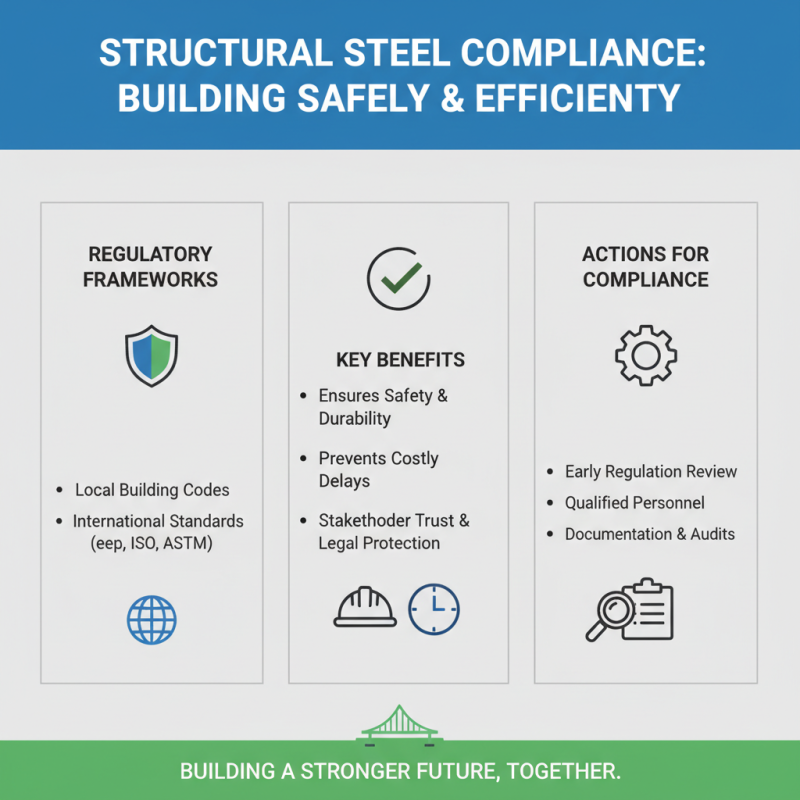
When working with structural steel in construction projects, understanding and adhering to regulatory standards and compliance is crucial. Regulatory frameworks, including local building codes and international standards, are established to ensure safety, integrity, and durability in steel construction. Familiarity with these regulations helps prevent costly delays and ensures that projects meet all necessary guidelines before completion. Compliance not only builds confidence among stakeholders but also protects the project from future legal complications or safety concerns.
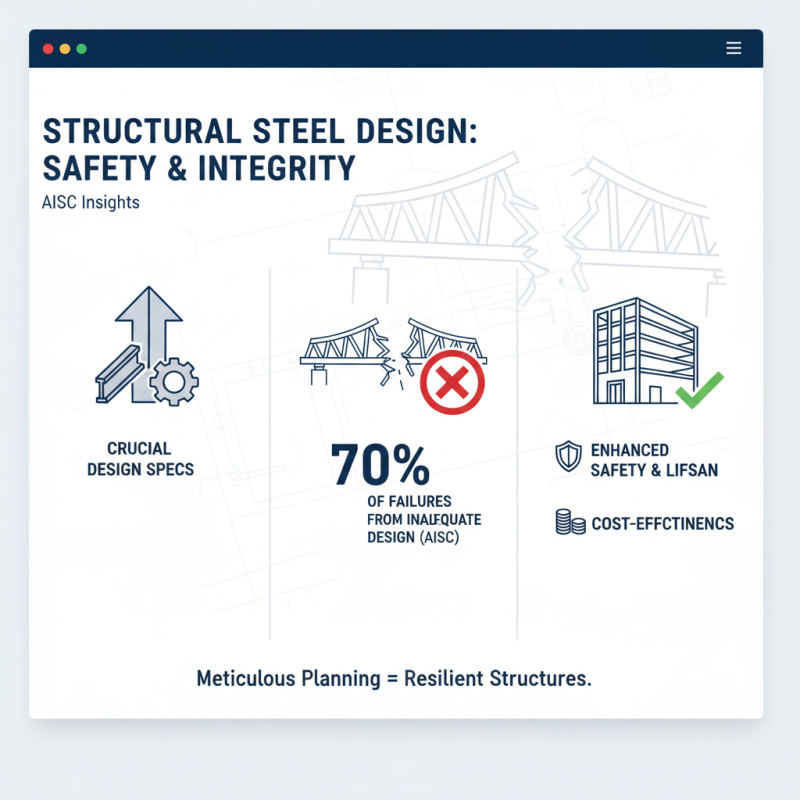
In addition to local regulations, various industry standards—such as those set by the American Institute of Steel Construction (AISC) or the International Organization for Standardization (ISO)—provide detailed criteria for design, fabrication, and installation. These standards outline key aspects, such as material specifications, welding procedures, and quality assurance protocols, which are vital for the successful execution of a project. Ensuring that all contractors and subcontractors are trained in these standards and that practices are continuously monitored reinforces a commitment to safety and excellence throughout the construction process.
Safety Measures and Best Practices for Handling Structural Steel on Site
When working with structural steel on construction sites, safety measures and best practices are paramount to ensuring the well-being of workers. In recent years, Occupational Safety and Health Administration (OSHA) statistics indicate that falls, being struck by objects, and electrocutions are the leading causes of construction fatalities, accounting for nearly 60% of all deaths in the sector. To mitigate these risks, implementing comprehensive site safety protocols is essential. This includes providing proper training to workers on lifting techniques, using personal protective equipment (PPE), and conducting regular safety audits to identify potential hazards associated with structural steel operations.
Moreover, the handling of structural steel demands meticulous planning and execution. According to a report from the American Institute of Steel Construction (AISC), nearly 40% of construction delays are attributed to improperly managed materials and inadequate safety measures. Best practices include utilizing cranes equipped with the latest safety features and ensuring that all rigging equipment complies with industry standards. Additionally, establishing clear communication protocols among team members can significantly reduce accidents during the handling and installation of steel components. By prioritizing safety and adhering to industry best practices, construction projects involving structural steel can maintain high levels of safety and efficiency.