How to Choose the Right Steel Galvanized Options for Your Construction Project
In the dynamic realm of construction, selecting the appropriate materials is crucial for the success of any project. Among these materials, "Steel Galvanized" stands out due to its durability and corrosion resistance, making it a prime choice for builders and contractors alike. Renowned industry expert Dr. Emily Johnson, a materials scientist with over two decades of experience, emphasizes the importance of understanding the different galvanized steel options available. She states, "Choosing the right Steel Galvanized material not only enhances the longevity of your project but also ensures safety and reliability in construction."
As construction practices continue to evolve, so do the technologies used in the production and treatment of Steel Galvanized materials. The process of galvanization itself has seen advancements that contribute to improved quality and performance. When embarking on a construction project, it is essential to consider factors such as the environment in which the galvanized steel will be used, as well as the specific requirements of the project. This thoughtful selection process can significantly impact both the effectiveness and cost-efficiency of construction efforts.
Ultimately, a comprehensive understanding of the various Steel Galvanized options at your disposal can lead to smarter, more resilient building decisions. By integrating expert insights and industry best practices, construction professionals can navigate the choices to implement solutions that meet their project needs while maintaining high standards of durability and safety.

Understanding the Basics of Galvanized Steel and Its Benefits
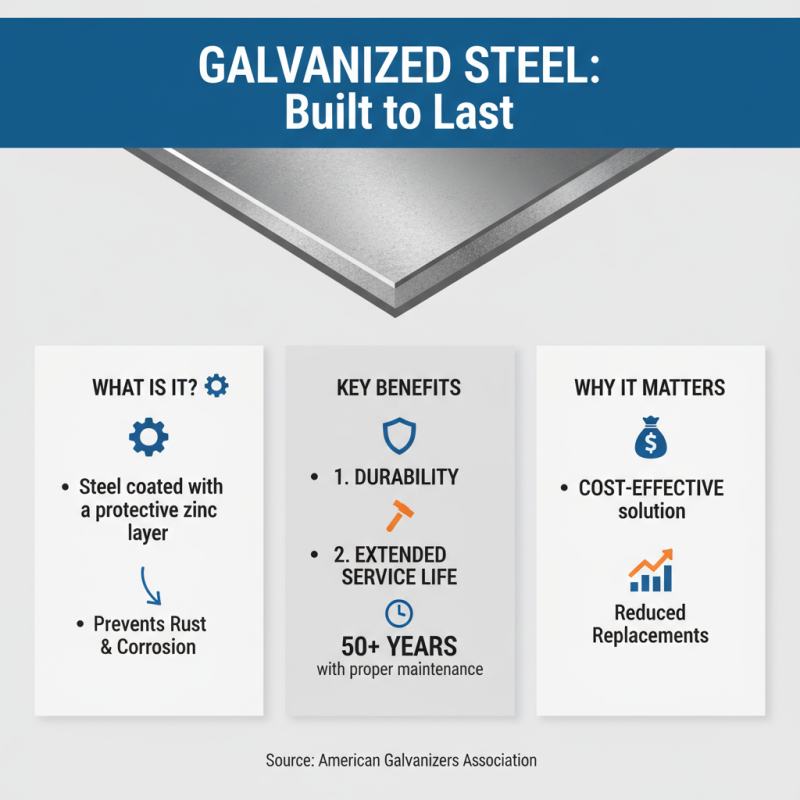
Galvanized steel is a critical material in construction, renowned for its durability and resistance to corrosion. The process of galvanization involves coating steel with a layer of zinc to protect it from rust and environmental damage, significantly extending its lifespan. According to a report by the American Galvanizers Association, the service life of galvanized steel can often surpass 50 years when adequately maintained, making it a cost-effective option in the long run.
One of the key benefits of using galvanized steel is its excellent resistance to harsh weather conditions and chemicals, which is particularly advantageous in coastal or industrial areas. The National Institute of Standards and Technology estimates that approximately 40% of steel used in construction is galvanized, reflecting its growing popularity due to these protective qualities. Additionally, galvanized steel requires minimal maintenance compared to non-galvanized options, which helps reduce long-term operational costs and project downtime, enhancing overall efficiency throughout the construction lifecycle. This understanding of the basics of galvanized steel underlines its strategic value for any construction project, making it a preferred choice among industry professionals.
Different Types of Galvanized Steel and Their Applications in Construction
In modern construction, choosing the right type of galvanized steel is crucial for the durability and longevity of structures. Galvanized steel is classified into several categories, primarily hot-dip galvanization and electro-galvanization. Hot-dip galvanized steel is immersed in molten zinc, resulting in a thicker protective layer. This method is favored in projects where exposure to harsh weather conditions is anticipated, as it provides superior corrosion resistance. According to a report from the American Galvanizers Association, structures utilizing hot-dip galvanization can expect a service life exceeding 70 years, making it ideal for bridges, highways, and marine environments.
On the other hand, electro-galvanized steel uses an electrical current to deposit zinc onto the steel surface, which creates a thinner coating. This type is often employed in applications such as HVAC ducts and auto body parts, where aesthetic appeal and lighter weight are critical. Industry analyses indicate that electro-galvanized materials, while still providing corrosion protection, may only last 5 to 20 years, depending on the environment they are exposed to. Understanding these distinctions and being aware of the expected longevity in specific applications enables construction professionals to make informed choices that align with their project requirements and budget constraints.
How to Choose the Right Steel Galvanized Options for Your Construction Project
| Type of Galvanized Steel |
Description |
Common Applications |
Advantages |
Disadvantages |
| Hot-Dip Galvanized Steel |
Steel that has been dipped in molten zinc. |
Structural applications, fencing, outdoor equipment. |
Excellent corrosion resistance, long lifespan. |
More expensive than other options, heavier. |
| Electro-Galvanized Steel |
Steel coated with a layer of zinc using electroplating. |
Automotive parts, appliances, hardware. |
Good surface finish, cost-effective. |
Less corrosion resistance than hot-dip version. |
| Galvannealed Steel |
Steel that is zinc-coated and then heat-treated. |
Automotive bodies, appliances, HVAC components. |
Excellent paintability, good corrosion resistance. |
Limited outdoor use compared to hot-dip. |
| Pre-Galvanized Steel |
Steel that is galvanized before fabrication. |
Metal buildings, roofing, ductwork. |
Cost-effective, uniform coating. |
Limited corrosion resistance in cut edges. |
Factors to Consider When Selecting Galvanized Steel for Projects
When selecting galvanized steel for your construction project, it’s crucial to consider several factors to ensure the material meets your specific needs. One of the primary considerations is the environment in which the steel will be used. Galvanized steel is specially treated to resist corrosion, making it ideal for outdoor applications or areas with high humidity. If your project involves exposure to saltwater, opting for hot-dip galvanized steel may provide the necessary durability and longevity.
Another vital factor is the thickness of the galvanization. Different projects may require varying levels of protection, and understanding the expected life span and performance under load can guide you in selecting the appropriate thickness. Thicker coatings tend to provide better corrosion resistance, but it’s essential to balance this with cost considerations.
Tips: Before making a decision, it’s wise to consult with contractors or engineers who have experience with galvanized steel. They can provide valuable insight into the most suitable options based on project requirements and budget. Additionally, consider obtaining samples to assess the aesthetic and functional qualities of the galvanized steel options available.
Evaluating Cost-Effectiveness of Galvanized Steel Options
When evaluating the cost-effectiveness of galvanized steel options for your construction project, it’s crucial to consider both initial and long-term expenses. While galvanized steel may have a higher upfront cost compared to non-galvanized alternatives, its durability and resistance to corrosion often lead to significant savings over time. This durability can reduce maintenance and replacement costs, which is vital in the lifecycle of a construction project. The ability to withstand harsh weather conditions and environmental factors means that galvanized steel can maintain its integrity longer, providing better value.
Additionally, it is essential to assess the specific requirements of your project. Factors such as the environment in which the steel will be used and the anticipated load it must bear can influence the overall cost-effectiveness of the materials chosen. For instance, in coastal areas where humidity and salt exposure are prevalent, investing in higher-grade galvanized steel could be more economical in the long run. Evaluating these variables will help in making informed decisions that align both with budget constraints and the longevity requirements of your construction initiative.
Common Mistakes to Avoid When Choosing Galvanized Steel Products
When selecting galvanized steel products for your construction project, avoiding common pitfalls can significantly impact both performance and cost-effectiveness. One prevalent mistake is overlooking the specific requirements of the project, such as environmental conditions. For example, projects in marine or highly corrosive environments may require higher coating thickness to ensure durability. According to a report from the American Galvanizers Association, using a standard galvanizing process may not suffice in such settings, and engineers should consider upgrading to more specialized galvanizing methods that can extend the lifespan of steel components.
Another critical error is failing to check the galvanizing standards and certifications of the products. Not all galvanized steel is created equal; understanding the differences between hot-dip galvanizing and electro-galvanizing is essential. A study published by the National Association of Corrosion Engineers highlights that hot-dip galvanized steel typically offers superior corrosion resistance due to its thicker zinc coating. Neglecting to verify these specifications can lead to unexpected repairs and additional costs in the project lifecycle. By being diligent in selecting galvanized steel products, project managers can avoid issues related to premature failure and ensure the longevity of their construction efforts.
Comparison of Common Galvanized Steel Options for Construction Projects